January mushroom recipes are the ultimate secret to surviving the winter blues with a plate full of plant-based luxury. When the weather turns cold, we crave textures that are hearty, comforting, and deeply satisfying, which is exactly where the King Oyster mushroom shines.
This recipe transforms the humble King Trumpet into a sophisticated “steak” that rivals any high-end protein. With their thick, meaty stems and ability to hold a crust, these mushrooms become a masterclass in the Maillard reaction, offering a succulent, ivory-white center that mimics the grain of premium beef.
Why These King Oyster Steaks Define Elevated Winter Cooking
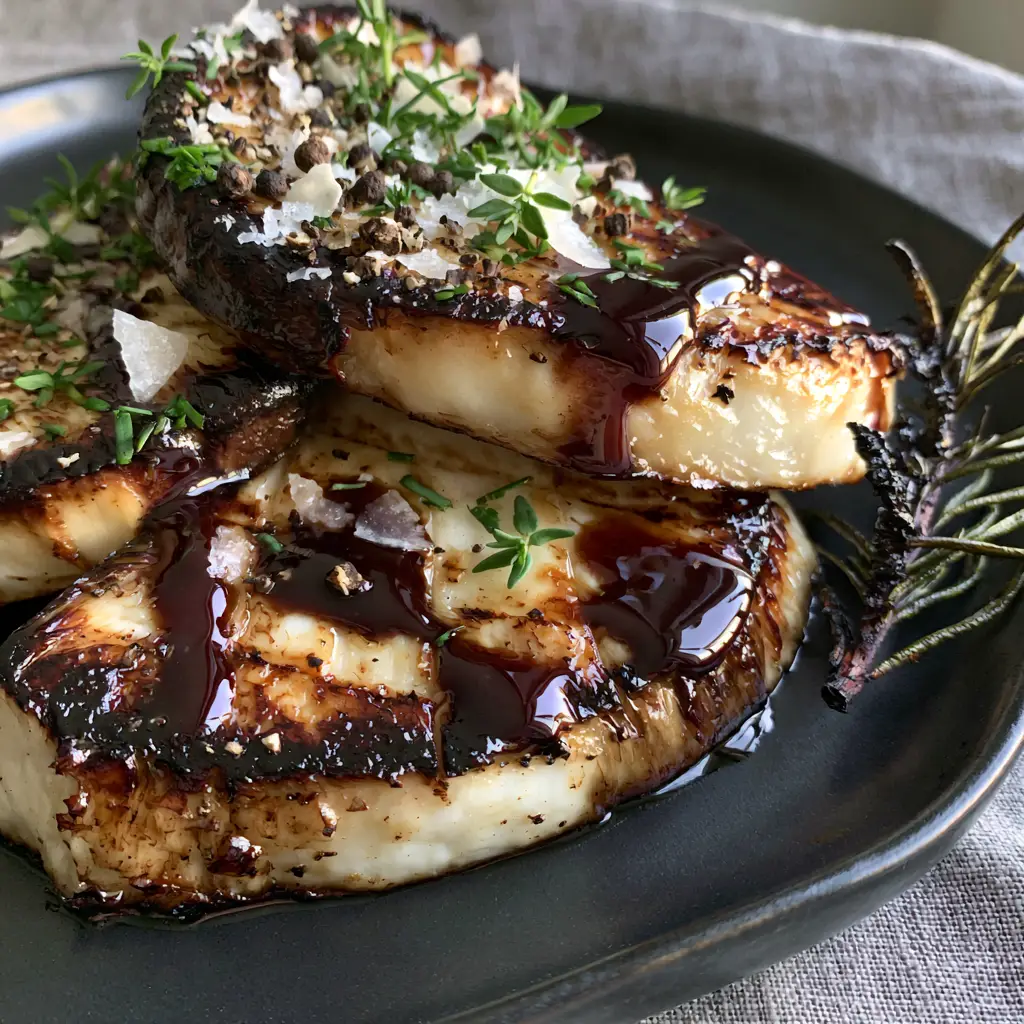
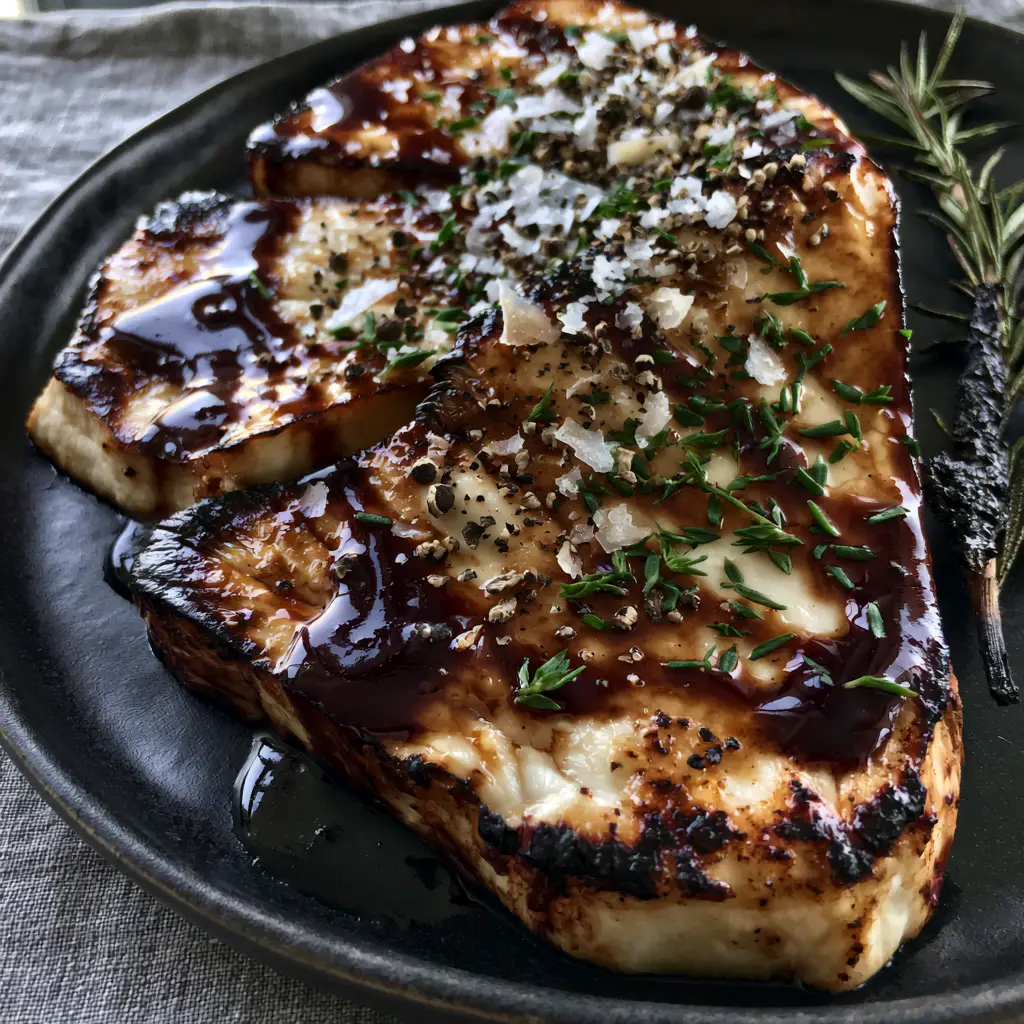
- Visual Masterpiece: Deep, dark-brown caramelized edges contrast beautifully against the glistening, mahogany-colored balsamic reduction.
- Steak-Like Texture: The thick-sliced ivory-white centers provide a juicy, succulent bite that satisfies even the most dedicated carnivores.
- Complex Aromatics: The combination of fried garlic bits, fresh thyme, and a charred rosemary sprig creates a sensory experience that fills your kitchen with warmth.
- Perfectly Balanced: Flaky sea salt and cracked black pepper cut through the rich, glossy glaze for a professional finish.
The Essential Components for Umami-Rich Mushroom Steaks
Every ingredient in this dish serves a specific forensic purpose, bridging the gap between a simple sauté and a gourmet entrée. To achieve the visual results of high-end January mushroom recipes, we focus on high-quality fats and acidity.
King Oyster (Trumpet) Mushrooms: Look for firm, thick stems with small caps. These are the “steaks” of the fungi world and provide the structural integrity needed for a heavy sear.
Neutral High-Smoke Point Oil: Use 2 tbsp (30ml) of avocado or grapeseed oil. This allows us to reach the high temperatures necessary for those deep-brown charred edges without the oil breaking down.
Balsamic Vinegar & Honey: 1/4 cup (60ml) of balsamic and 1 tbsp (15g) of honey create the mahogany-colored glaze. This reduction provides the glossy, artful drizzle that catches the light on the plate.
Fresh Garlic: 3 cloves (15g), thinly sliced. These are fried until golden to provide the “bits” described in our visual blueprint, adding a nutty crunch to every bite.
Fresh Herbs: 4 sprigs of fresh thyme and 1 whole rosemary sprig. The thyme leaves are stripped for a fresh finish, while the rosemary is charred in the pan to release its essential oils.
Finishing Salts: 1 tsp (5g) flaky Maldon sea salt and 1/2 tsp (2g) cracked black pepper. The large salt flakes provide a visual sparkle and a localized burst of seasoning.
Professional Tools for the Perfect Sear
To replicate the extreme close-up quality of a professional food photo, you need the right conductivity. A heavy-bottomed cast iron or carbon steel skillet is non-negotiable for achieving that dark-brown caramelization.
You will also need a sharp chef’s knife to ensure clean, even slices, and a pair of silicone-tipped tongs. The tongs allow you to flip the “steaks” without tearing the delicate fibers of the ivory-white centers.
Mastering the Sear: Step-by-Step Instructions
Preparing the King Oyster “Steaks”
Clean 1 lb (450g) of King Oyster mushrooms with a damp paper towel; never soak them, as they will lose their ability to crisp. Slice the mushrooms lengthwise into 1/2-inch (1.25cm) thick planks to expose the beautiful internal grain.
Score the surface of the mushrooms in a shallow crosshatch pattern using the tip of your knife. This allows the balsamic glaze to penetrate the “meat” and creates more surface area for the sear.
Achieving the Deep Mahogany Crust
Heat your skillet over medium-high heat with 2 tbsp (30ml) of oil until it begins to shimmer. Place the mushroom slices in a single layer, ensuring they do not overlap, which would cause them to steam instead of sear.
Press down lightly with a spatula to ensure full contact with the pan. Cook for 4-5 minutes until the edges are deep, dark brown and caramelized, then flip to reveal the golden-brown crust.
Frying Garlic and Charring Herbs
Once flipped, add 1 tbsp (15g) of butter and the sliced garlic to the empty spaces in the pan. Tilt the pan slightly so the garlic fries in the hot fat until it turns into golden-brown bits.
Add the rosemary sprig to the side of the pan, allowing it to char and smoke slightly. This infuses the mushrooms with a woodsy aroma that defines the best sautéed mushroom recipes.
The Art of the Balsamic Reduction
Whisk together your balsamic vinegar and honey, then pour it directly into the skillet. The liquid will bubble vigorously; use this time to baste the mushrooms with the darkening glaze.
Continue cooking for 2-3 minutes until the liquid reduces into a thick, mahogany-colored syrup that coats the mushrooms in a glossy sheen. The mushrooms should look succulent and artfully glazed.
Expert Tips for Visual and Culinary Success
- The “Dry” Start: If your mushrooms are releasing too much moisture, increase the heat. You want the water to evaporate instantly to ensure the edges char rather than soften.
- Garlic Timing: Always add the garlic bits during the last few minutes of cooking. If they burn, they will turn bitter and ruin the delicate balsamic balance.
- Temperature Control: If the balsamic reduction thickens too quickly, add a teaspoon of water to loosen it back to a drizzable consistency.
- Plating Strategy: Use a minimalist matte black plate to make the mahogany glaze and ivory centers pop, just like in our visual prompt.
Storage and Reheating Advice
These mushrooms are best enjoyed immediately to preserve the contrast between the charred edges and juicy centers. However, they can be stored in an airtight container for up to 3 days.
To reheat, avoid the microwave, which will make the mushrooms rubbery. Instead, flash-sear them in a hot pan for 60 seconds per side to restore the glossy texture of the glaze.
Elevating Your January Mushroom Recipes Meal
These steaks are incredibly versatile and pair beautifully with other high-umami sides. For a full plant-based feast, serve them alongside garlic mushrooms or atop a bed of creamy polenta.
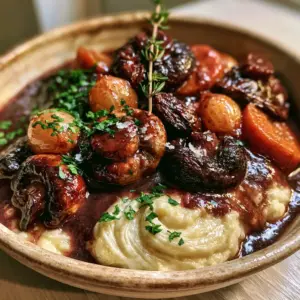
If you are looking for more hearty winter options, these steaks also complement a rich vegan mushroom bourguignon. For those focusing on wellness this month, they fit perfectly into a rotation of healthy mushroom recipes.
Frequently Asked Questions
Yes! Simply swap the honey for maple syrup and use a vegan butter substitute or extra avocado oil to achieve the same glossy finish.
No, there is no need to peel them. Just wipe the stems with a damp cloth to remove any debris, as the skin contributes to the texture of the sear.
The key is slicing them lengthwise to show the grain, using a high-heat cast iron skillet, and pressing them down to ensure full contact for deep caramelization.
King Oyster (Trumpet) and Maitake mushrooms are ideal for winter because of their dense, meaty texture that holds up well to heavy searing and rich, warming sauces.
Ensure you reduce the liquid until it reaches a syrupy consistency. If it’s too thin, it will run off; it needs to be thick enough to coat the back of a spoon.
The Ultimate Pan-Seared King Oyster Steak Recipe
January Mushroom Recipes: Pan-Seared King Oyster Steaks with Balsamic Glaze
Ingredients
Equipment
Method
- Wipe mushrooms clean and slice lengthwise into 1/2-inch thick planks. Lightly score a crosshatch pattern into the surface.
- Heat oil in a skillet over medium-high heat. Sear mushrooms for 4-5 minutes per side until dark brown charred edges form.
- Add butter, sliced garlic, and the rosemary sprig. Fry until garlic is golden and rosemary is slightly charred.
- Pour in the balsamic and honey mixture. Baste mushrooms as the liquid reduces to a glossy mahogany glaze.
- Remove from heat. Top with fried garlic bits, fresh thyme, flaky sea salt, and cracked pepper.
Notes
Don't overcrowd the pan or the mushrooms will steam instead of sear.
Join the Culinary Conversation
If you enjoyed this deep dive into January mushroom recipes, we would love to hear from you! Did your glaze achieve that perfect mahogany shine? Leave a comment below or share your creations with us.
For more visual recipe inspiration and plating tips, follow us on Pinterest and save this recipe to your “Winter Dinners” board. Happy cooking!